THE BEES
Bees Do Big Things
Everyone knows honeybees make honey, but their contributions hardly end there. Although other insects can pollinate plants, honeybees are premier pollinators because they are available throughout the growing season and pollinate a wide range of crops, including almonds, apples, avocados, cucumbers, melons, pears and many more.
In fact, about one-third of the U.S. diet is derived from insect-pollinated plants and honeybees are responsible for an impressive 80 percent of that process.
That’s why the National Honey Board currently allocates 5 percent of anticipated revenue each year to bee health research on issues like Colony Collapse Disorder (CCD) and external factors affecting honeybees.
HONEY & POLLINATION
Why do bees make honey?
Honeybees collect nectar to create honey and store as food because it provides the energy for bees’ flight muscles and provides heating for the hive in the winter. Fortunately, honeybees will make more honey than the colony needs, so it is necessary for beekeepers to harvest the excess, which they bottle.
FIVE WAYS YOU CAN HELP THE BEES
Let's Make Them Happy
Honeybees, beekeepers and the honey industry are direct contributors to the success of American agriculture. Today, the honey industry faces many challenges, such as hive loss, drought, colony collapse and shrinking forage areas. Here are a few ways you can help the honeybees:
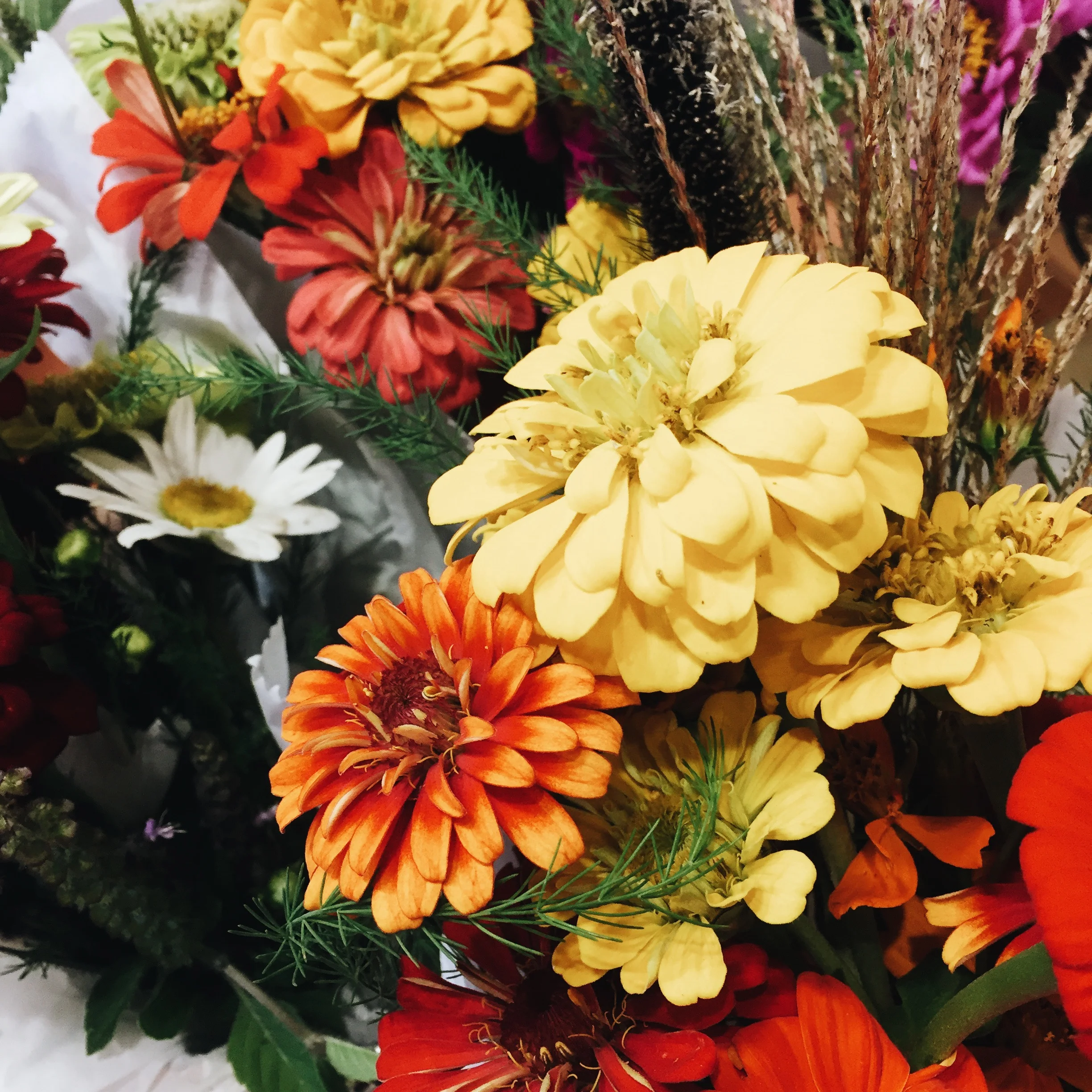
Plant bee-friendly flowers and flowering herbs in your garden and yard.
Reduce or limit the use of chemicals and pesticides to treat your lawn or garden while plants are in bloom.
Bees are thirsty. Put a shallow basin of fresh water with marbles or rocks in it for the bees to land on outside your home.
Learn how to be a beekeeper with sustainable practices.
Donate to an organization dedicated to helping protect and promote honey bees and other pollinators.